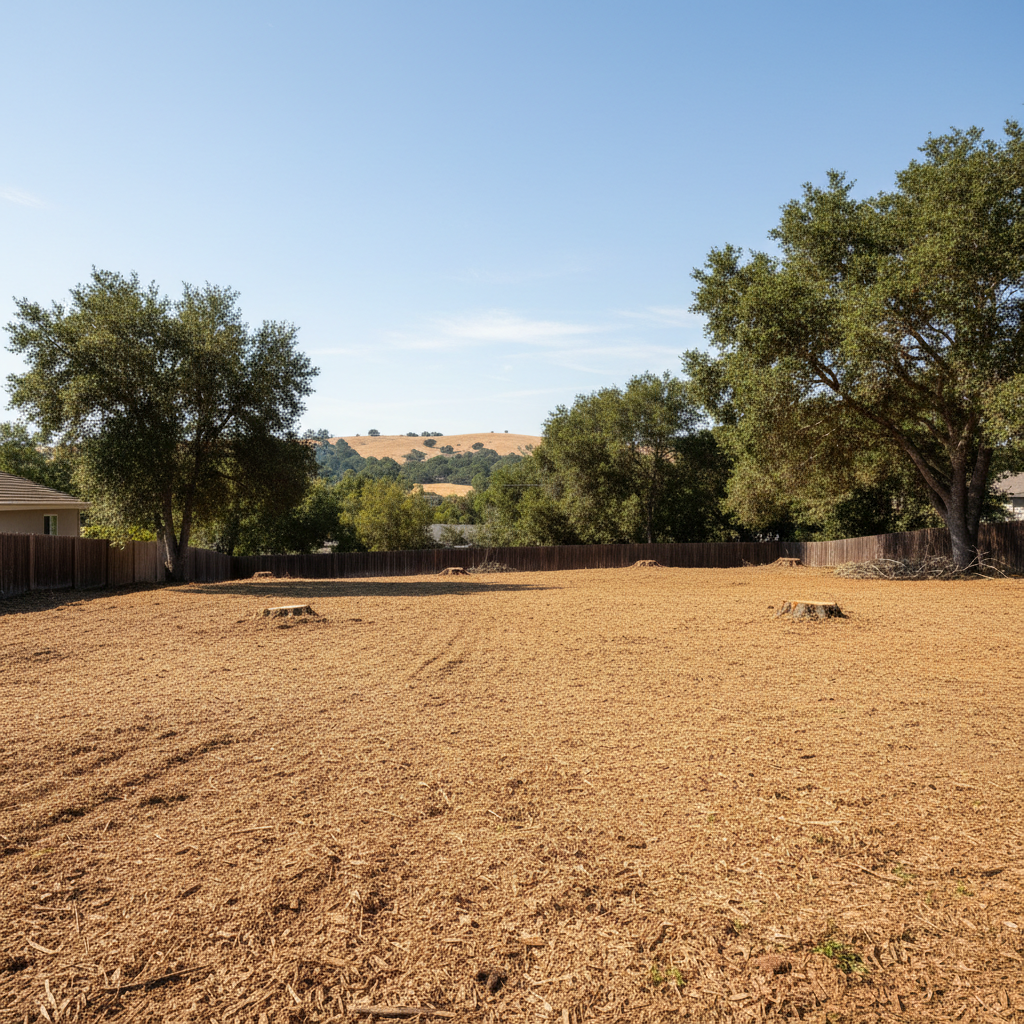
So, you've gone through all that work to clear your lot. Maybe you did it for a new house, to make things safer from fire, or just to get back some space that had gotten totally overgrown. That's a big job, right? And you definitely want that clean slate to stick around. It's not a "one and done" kind of thing, especially here in Milpitas with our particular climate. If you just let it go, all that hard work — and money — can quickly go right back to how it was before. I've seen it happen too many times.
Making Your Lot Clearing Last
The secret to keeping your lot clear isn't some magic trick; it's just smart, consistent follow-up. First, if you had stumps ground down, make sure the area is properly sloped so water doesn't sit there. Standing water practically invites weeds and even some invasive plants to quickly take root. For spots where you pulled out a lot of brush, think about what you'll plant next. Native, slow-growing plants are great because they help hold the soil in place and look nice without turning into a jungle again. Fast-growing, non-native stuff might look good at first, but it can quickly get out of control and undo all your clearing efforts. Think long-term, you know?
Another big thing is soil health. When you clear a lot, especially if heavy machines were involved, the soil can get really packed down. This makes it tough for the plants you *want* to grow and super easy for those pesky weeds. Adding some organic stuff, like compost, can really make a difference. It helps water drain better, gets air into the soil, and gives whatever you *do* want to grow a fighting chance.
What Does Regular Maintenance Even Look Like?
Regular maintenance doesn't mean doing another full-scale clearing every single year. It's more about staying on top of things. Here's what I usually tell people:
- Walk your property regularly: I'm talking once a month, maybe even more often when things are really growing in the spring. Look for new sprouts, especially along the edges or in places that were heavily cleared. Catch them when they're small, believe me.
- Weed control: This is a huge one. Pulling weeds by hand works well for smaller spots. For bigger areas, you can use targeted herbicides, but you really need to be careful about what you spray and where — especially if you have pets or kids running around, or if you're near a creek or storm drain. Always, always read the labels.
- Trim back new growth: If you've got trees or shrubs bordering your cleared area, keep an eye on their low branches or suckers trying to sneak back into your space. A quick trim with some pruners or loppers can save you a lot of grief later on.
- Fire safety: We live in California, so fire risk is always on our minds. Keeping your cleared lot free of dry grasses, dead leaves, and other stuff that can burn easily is absolutely critical. This isn't just about how it looks; it's about protecting your home and your neighbors, too.
Signs of Trouble Ahead
You've got to keep a close watch. Here are some red flags that tell you your cleared lot might be heading back to its wild state:
- Quick regrowth of certain plants: If you see a patch of something growing back super fast, especially if it was hard to get rid of in the first place, that's a problem. Invasive species like Arundo donax (giant reed) or even just aggressive native brush can take over if you let them.
- Erosion: After clearing, especially on sloped properties common in places like the Milpitas foothills, you might notice soil washing away during our winter rains. This means your soil isn't stable, and that can lead to bigger issues down the road.
- Pest infestations: Overgrown areas, even small ones, can become perfect spots for pests like rodents or certain insects to breed. If you start seeing more of these critters than usual, it might be time to check your cleared areas for new hiding spots.
- Water pooling: If you see standing water where it wasn't before, your grading might be off, or new growth could be creating little dams. This can lead to mosquito problems and unhealthy soil conditions.
When to Call the Pros
Look, you can handle a lot of this maintenance yourself, but there are definitely times when you need to bring in the professionals. Don't be shy about asking for help; it's often cheaper in the long run than letting things get completely out of hand.
- Large-scale regrowth: If your acre is starting to look like a forest again, you're past what a pair of loppers can handle. We have the right equipment and know-how to tackle big areas efficiently and safely.
- Hazardous materials: Sometimes, as things grow back, you might uncover old construction debris, dangerous plants like poison oak (which is a real pain to remove safely), or even old foundations. Don't mess with that stuff yourself.
- Erosion control: If you're seeing serious erosion, especially if it's threatening structures or neighboring properties, you need expert advice on proper grading, retaining walls, or specialized planting for stabilization.
- Fire abatement compliance: Milpitas, like many California cities, has strict fire abatement rules. If you're struggling to meet those standards, or if you get a notice from the city, call someone who knows the local regulations. We can help make sure your property is compliant and safe.
- Stump regrowth: If stumps that were supposed to be dead start sending up new shoots, they weren't properly treated or removed. We can come in and handle those stubborn ones for good.
Keeping your cleared lot clear is an ongoing effort, but it's totally worth it for the safety, how it looks, and the value of your property. If you're ever unsure, or if the job just gets too big, give Milpitas Tree Service a call. We're here to help you keep your land looking its best.