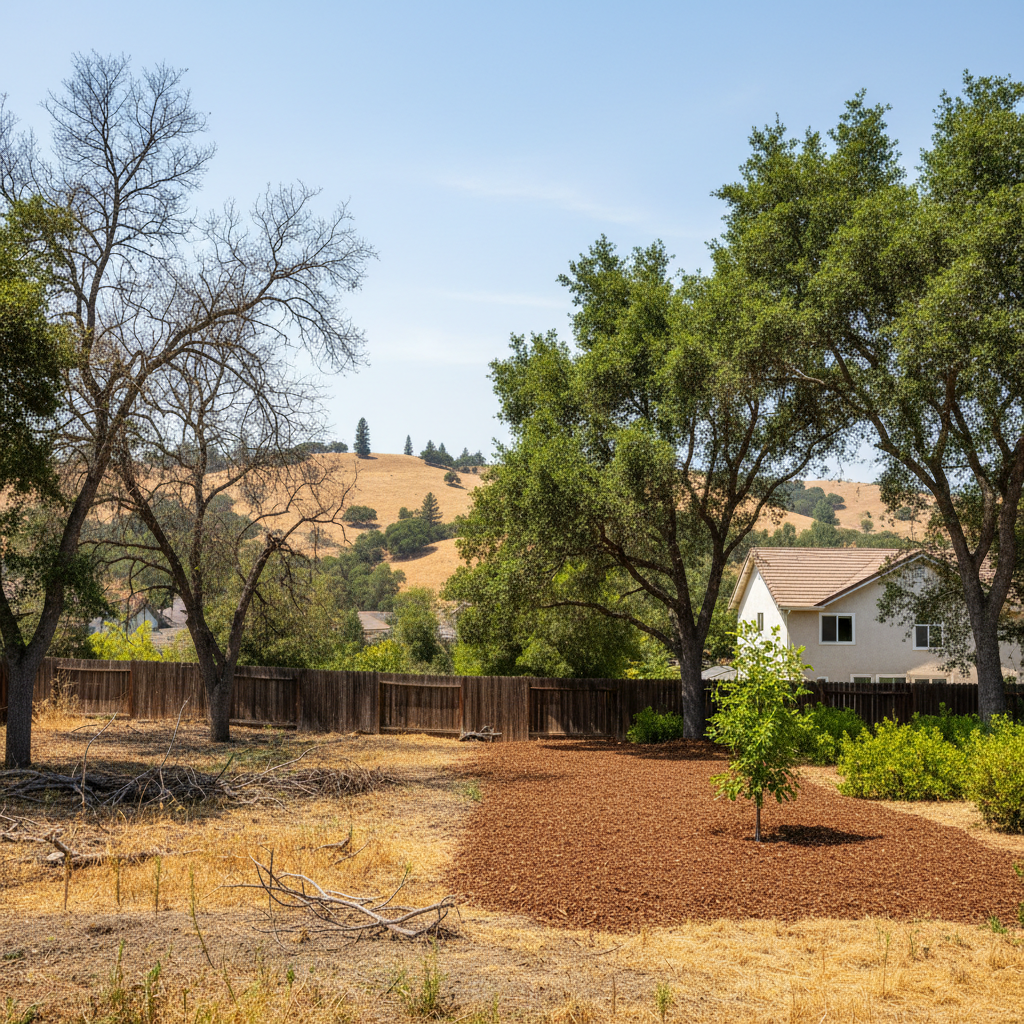
You've got trees on your property, right? Maybe a big oak, some fruit trees, or a few younger ornamentals. Eventually, you'll have to decide how you're going to handle their health. From what I've seen running Milpitas Tree Service for years, most folks fall into one of two camps: you're either proactive about your tree care, or you're reactive. Let's talk about what those really mean for your trees and your wallet.
What's the Difference?
It's pretty simple, actually. Proactive tree care means getting ahead of problems. Think of it like regular check-ups with your doctor. You're looking for early signs of trouble, making sure the tree has what it needs to thrive, and preventing bigger issues down the road. Reactive care, on the other hand, is waiting until something's obviously wrong – a branch breaks, leaves are turning yellow, or you see a bunch of pests. Then you call someone like me to fix it.
Cost: Upfront vs. Emergency
This is usually the first thing people ask about. On the surface, reactive care seems cheaper because you're not spending money until there's a visible problem. You might go years without paying a dime for tree service. But when a problem does hit, it can hit hard. A tree that's been neglected and gets a severe fungal infection might need expensive treatments, or worse, a full removal. A large, dead limb falling on your fence or roof? That's not just a tree service bill, that's a repair bill too.
Proactive care involves smaller, more regular expenses. Maybe an annual inspection, some preventative pruning every couple of years, or soil amendments if your tree is struggling in our dense Milpitas clay soil. These costs are predictable and spread out. You're investing a little bit consistently to avoid a huge, unexpected bill. In the long run, I've almost always seen proactive care save homeowners money. It's like changing the oil in your car instead of waiting for the engine to seize up, isn't it?
Durability & Tree Lifespan
This one's a no-brainer. A tree that gets regular, thoughtful care is going to be healthier and live longer. It'll be more resilient against pests, diseases, and even our occasional strong winds. When you're proactive, we can spot things like girdling roots, early signs of disease, or structural weaknesses before they become critical. We can prune for good structure, which helps the tree stand strong for decades.
Reactive care often means you're dealing with a tree that's already stressed or compromised. We're playing catch-up. While we can often save a struggling tree, it might not ever reach its full potential, and its lifespan could be significantly shortened. It's like trying to get a sick person back to full health after they've been ill for a long time – it's harder, and the recovery might not be complete.
Maintenance & Effort
If you're proactive, you're putting in a little bit of effort consistently. This might mean keeping an eye on your trees yourself, learning a bit about what healthy leaves look like, and scheduling regular check-ups with a certified arborist. It's about being observant and planning ahead. You're not usually scrambling or stressed.
Reactive care means periods of no effort, followed by intense, often stressful effort. When a problem arises, you're usually in a hurry. You're trying to find a contractor quickly, dealing with potential damage, and making decisions under pressure. It's definitely more reactive and less controlled on your part.
Appearance & Property Value
A well-maintained tree is a beautiful tree. Regular, proper pruning enhances its natural shape, promotes healthy growth, and keeps it looking great. Healthy trees boost your curb appeal and can significantly increase your property value. Think about those gorgeous, mature trees in the older parts of Milpitas – they didn't get that way by accident.
Neglected trees, on the other hand, can be an eyesore. They might have dead branches, sparse foliage, or an unbalanced shape. They can even become a liability if they're diseased or structurally unsound. This can actually detract from your property value and make your yard feel less inviting.
My Recommendation for Milpitas Homeowners
Look, I'm biased, but for good reason: I've seen the results firsthand. For homeowners here in Milpitas, I strongly recommend a proactive approach to tree health and care. Our climate can be tough on trees – hot summers, dry spells, and then sometimes heavy rains that can stress them out or encourage certain pests. The soil can be challenging too, especially if you're in one of the newer developments where the soil might be compacted or poor quality.
A proactive plan doesn't have to be complicated or expensive. It can be as simple as:
- Getting an arborist to do an annual or biennial inspection.
- Pruning young trees for good structure.
- Making sure your trees are watered properly, especially during dry spells.
- Addressing any issues like pests or diseases as soon as they appear.
It's an investment in the health, beauty, and safety of your property. You'll have healthier, more resilient trees, fewer emergencies, and you'll likely save money in the long run. If you're not sure where to start, give us a call at Milpitas Tree Service. We can come out, take a look at your trees, and help you put together a simple, effective proactive care plan.