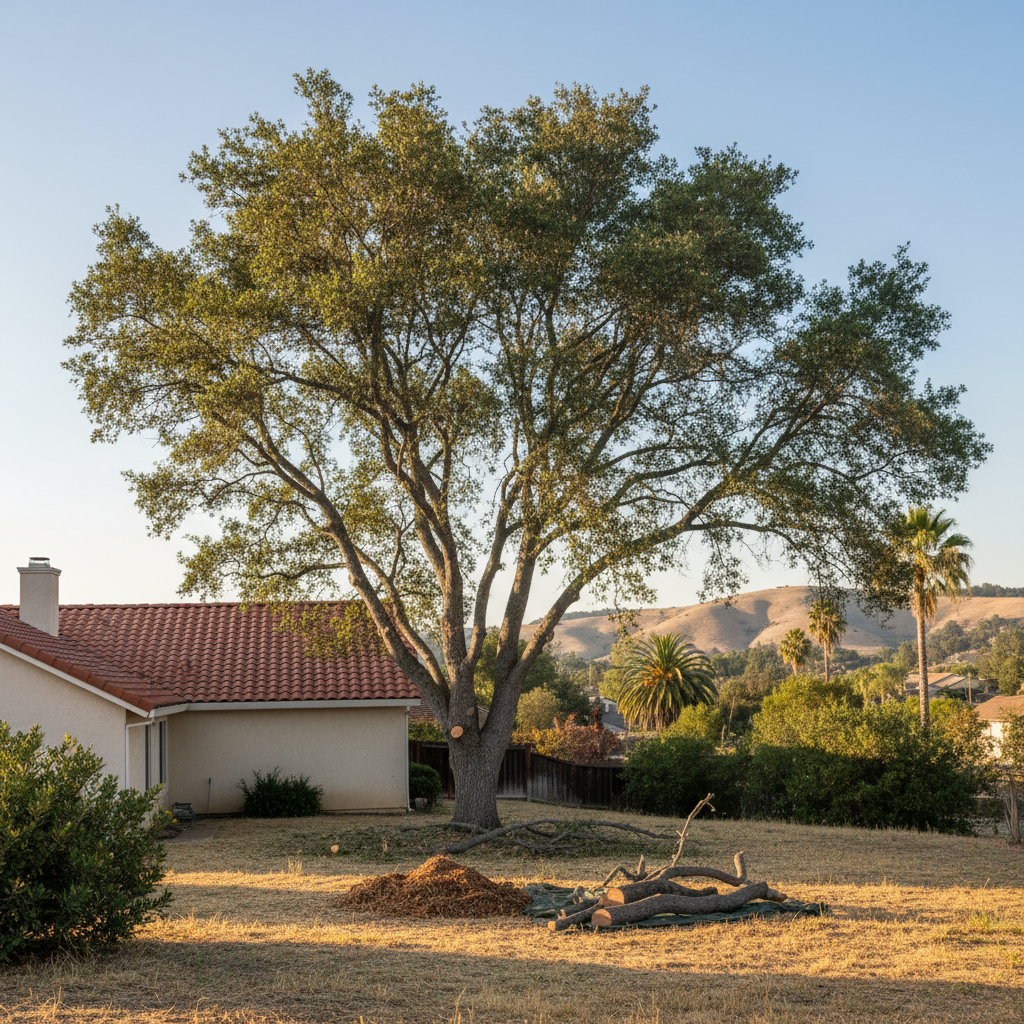
When's the best time to prune your trees? That's a question I get a lot from folks around Milpitas. And honestly, it's not a one-size-fits-all answer. Our local climate, with those long, dry summers and mild, wet winters, really dictates when you should be thinking about getting the chainsaws out, or more accurately, when you should call someone like us to do it right.
Understanding Milpitas Seasons for Tree Pruning
You've got to think about a tree's natural cycle. Just like us, they have seasons where they're active and seasons where they're resting. Pruning at the wrong time can stress them out, open them up to disease, or just plain stunt their growth. We don't want any of that for your yard.
Dormant Season Pruning: Your Best Bet
For most deciduous trees – that's the kind that loses its leaves in the fall – the dormant season is prime time for pruning. Here in Milpitas, that usually means late fall through late winter, roughly November to February. Why then? Well, a few reasons:
- The leaves are off, so we can clearly see the tree's structure. This makes it easier to spot dead, diseased, or crossing branches that need to go.
- Pests and diseases are less active. When you make a cut, it's an open wound for a tree. Pruning during dormancy means those wounds have a smaller chance of getting infected.
- Trees are 'resting,' so they're not actively putting energy into leaf production. Pruning then means they'll put that energy into healing the cuts and pushing out strong new growth in the spring.
Now, for evergreen trees, things are a bit different. You can often do light pruning any time of year to remove dead or broken branches, but for bigger jobs, late winter or early spring, just before new growth starts, is generally best. You don't want to prune too late in the spring or summer because that new growth is tender and can get sunburned, especially with our intense Milpitas sun.
Weather Watch: When to Schedule (and When to Wait)
Our weather here in Milpitas is usually pretty predictable, but there are definitely times when tree work is safer and more effective, and times when it's just a bad idea. You wouldn't want me climbing a ladder in a downpour, right?
- Rainy Days: We usually avoid heavy rain. It's not just about safety for my crew; wet wood is slippery, and equipment can be tricky. Plus, fresh cuts in constant wet weather can be more prone to fungal infections. A light drizzle? Maybe. A storm? Absolutely not.
- Windy Conditions: High winds are a big no-go. Branches can swing unpredictably, making cuts dangerous and felling branches hazardous. It's a risk to property and people. We'll always reschedule if the wind picks up.
- Extreme Heat: While we often work through our warm summers, extreme heat (think 100+ degrees) can be tough on the crew and on the trees themselves. Pruning during a heatwave can stress a tree already struggling with the heat. We might start earlier in the day or push to a cooler one.
- Frost: This isn't a huge issue for us often, but if we get a hard freeze, it's best to wait. Frozen branches are brittle and can snap unexpectedly.
So, when you call Milpitas Tree Service, we're not just looking at your schedule; we're looking at the forecast too. We want to do the job safely and effectively, every time.
Year-Round Tree Protection: Protecting Your Investment
Pruning is a big part of tree care, but it's not the only thing. You've got to think about your trees year-round to protect your investment and keep your property looking good. Especially with the clay soil we often see in areas like the Berryessa district, proper watering and soil health are critical.
- Watering: Even mature trees need water, especially during our long, dry summers. Deep, infrequent watering is better than shallow, frequent watering. It encourages deeper root growth.
- Mulching: A good layer of mulch around the base of your trees (but not touching the trunk!) helps hold moisture, regulate soil temperature, and keep weeds down.
- Regular Inspections: Take a walk around your yard once a month. Look for anything unusual – strange growths, discolored leaves, branches rubbing together, or signs of pests. Catching issues early can save a lot of headaches (and money) down the road.
- Professional Check-ups: Just like you get your car serviced, consider having a professional arborist take a look at your trees every couple of years. We can spot things you might miss and give you advice tailored to your specific trees and property.
Taking care of your trees is a long-term commitment, but it pays off. Healthy trees add value to your home, provide shade, and just make your yard a nicer place to be. If you've got questions about your trees, give us a shout. We're always happy to help our Milpitas neighbors.