Alright, let's talk about tree removal here in Milpitas. I've been doing this for a while, and one thing I've noticed homeowners sometimes miss is just how much our local climate really affects this kind of work. It's not just about getting rid of a tree; it's about doing it smart, doing it safely, and picking the right time to protect your property and your wallet.
Understanding Milpitas Weather for Tree Work
Our climate in Milpitas is pretty unique, wouldn't you say? We get those long, dry summers, and then the rainy season eventually kicks in. This whole cycle directly impacts when it's best to remove a tree and what challenges we might run into. You certainly wouldn't want us trying to haul a massive oak out of your backyard during a torrential downpour, right? It's not just about comfort for the crew; it's about safety, getting the job done efficiently, and preventing damage to your yard.
Generally, the dry season—roughly from late spring through fall—is when most folks think about tree removal. And for good reason. The ground is dry and firm, which makes it easier for our equipment to move around without sinking or tearing up your lawn. It also means less mud tracking into your driveway and a much cleaner job site. Plus, visibility is better, and we don't have to worry about slick surfaces for our crew or our gear.
However, there's another side to that coin. During peak summer, especially on those really hot days we get, the heat can be a real factor for the crew. We're out there in long sleeves and safety gear, and it's tough work. Sometimes, if a job is particularly complex or involves heavy lifting, scheduling it on a slightly cooler day within that dry window can actually make a big difference in how quickly and safely we can get it done. It's not a deal-breaker, but it's definitely something I always consider when we're planning.
When to Schedule Your Tree Removal
So, when's the 'best' time? As I mentioned, the dry season is usually preferred. But let's break it down a bit more:
- Late Spring to Early Summer: This is often ideal. The ground has dried out nicely from the winter rains, but the scorching heat of August hasn't fully set in yet. Trees are in full leaf, which can sometimes make assessing the canopy easier for us, especially if we're dealing with dead branches or disease.
- Late Summer to Early Fall: Still a great window. The weather is usually pretty stable, and if you're planning any landscaping changes for the fall, getting the tree out of the way now just makes sense. Just keep an eye out for those late-season heatwaves.
- Winter (Rainy Season): This is where things get a little tricky. If you have an emergency – a tree threatening your home during a storm – then obviously, we're there no matter what. But for planned removals, the rain can really slow things down. Wet soil means heavy equipment can cause more compaction and damage to your yard. We've seen properties in the foothills near Calaveras Reservoir get pretty muddy, and it just makes everything harder. Also, if there's significant wind and rain, it's simply not safe for our crew to be up in a tree. We might have to reschedule or work around breaks in the weather, which can extend the timeline.
My advice? If you know you need a tree removed, especially a large one, start planning in the dry season. Don't wait until a storm makes it an emergency. That's when things get more stressful and, quite often, more expensive.
Protecting Your Investment Year-Round
Getting a tree removed is an investment in your property's safety and how it looks. But the work doesn't stop once the tree is down. Here's how to protect that investment:
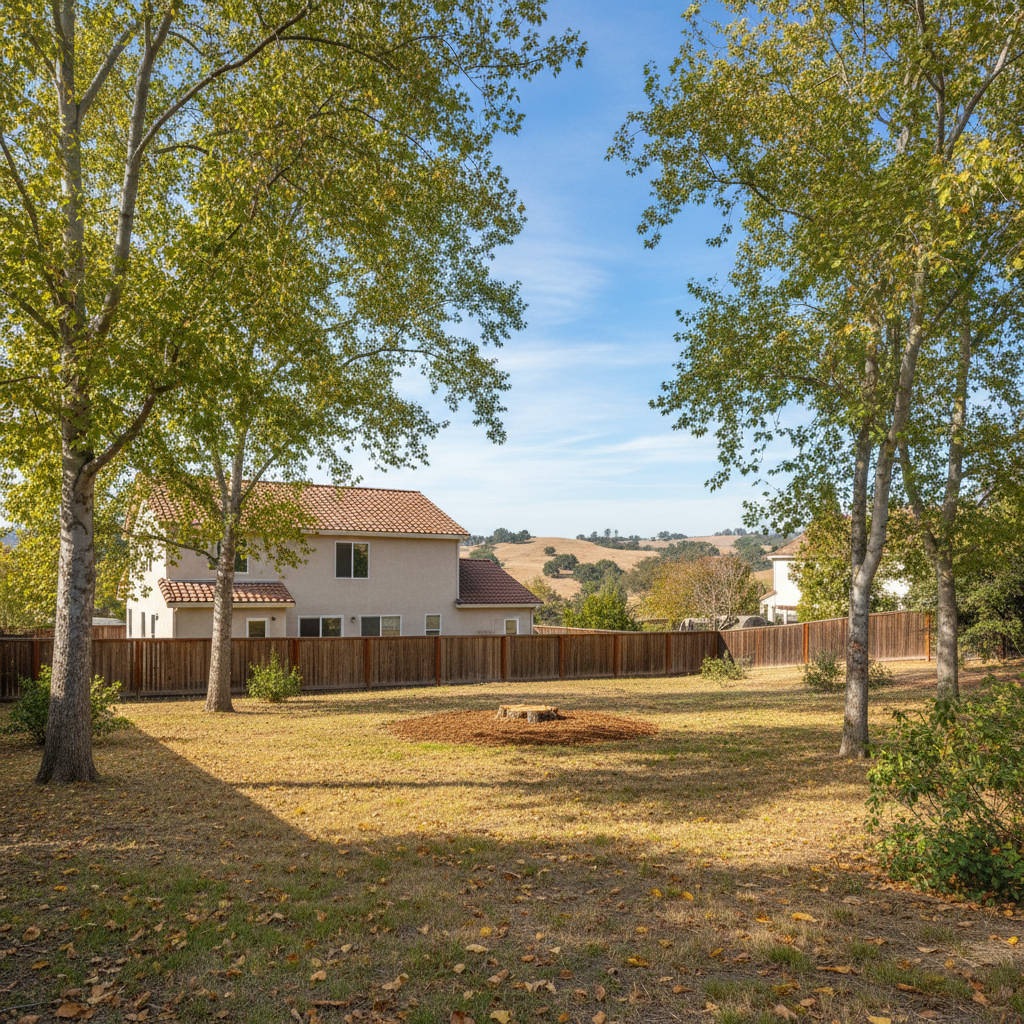
- Stump Removal: Don't leave the stump. It can be a tripping hazard, attract pests like termites, and just be an eyesore. Grinding it down below grade is usually the way to go. This also keeps new shoots from sprouting up, which can be a real nuisance.
- Soil Remediation: After a large tree is gone, you've got a big hole and potentially compacted soil. We always try to minimize impact, but it's worth thinking about what you'll do with that spot. Adding new topsoil and amending it can help prepare for new planting or just a healthy lawn.
- Future Planting: If you're putting in a new tree, choose wisely for our Milpitas climate. Consider drought-tolerant varieties that won't need excessive watering during our dry summers. Think about the mature size and how it will impact your home, power lines, or even neighboring properties.
- Regular Maintenance for Remaining Trees: One tree removal can sometimes highlight issues with other trees. Keep an eye on the health of your other trees, especially after a tough season. Regular pruning helps maintain their structure and health, reducing the risk of future problems.
We're here to help you make smart decisions about your trees, whether it's removal, pruning, or just some honest advice. At Milpitas Tree Service, we've seen it all, and we're always happy to share what we know to keep your property safe and looking good. Don't hesitate to give us a call if you've got questions or need an assessment.