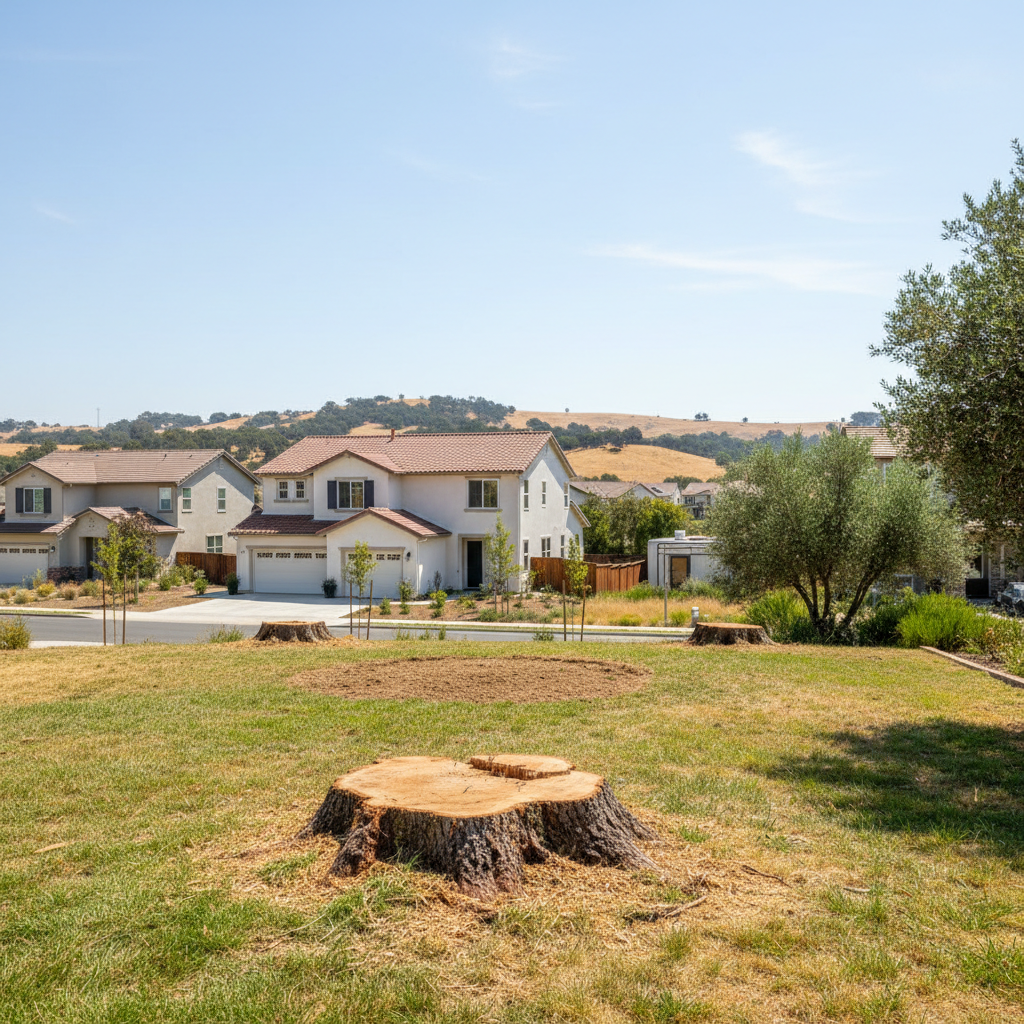
You've got a tree that needs to go. Maybe it's dead, diseased, or just too close to your house. The big question I hear a lot is, "When's the best time to get this done?" It's not as simple as picking a random Saturday, especially here in Milpitas.
Why Timing Matters for Tree Removal
Think about it like this: you wouldn't pour concrete in a downpour, right? Tree removal is similar. The weather, the tree's health cycle, and even the ground conditions all play a part in how safe, efficient, and ultimately, how affordable the job will be.
For us, the biggest factors are safety and minimizing damage to your property. A wet, windy day makes everything riskier. A dormant tree is often easier to handle. And believe me, trying to haul logs across a muddy lawn after a big rain? That's a recipe for a torn-up yard and a lot more cleanup for you.
The Best Times: Late Fall to Early Spring
Generally, the sweet spot for tree removal in Milpitas is from late fall, after the leaves drop, through early spring, before the new growth really kicks in. Here's why:
- Dormancy: Deciduous trees have shed their leaves. This means less foliage to deal with, making the tree lighter and giving us a clearer view of the branch structure. It's just safer and more efficient for our crew to work with.
- Fewer Pests: Many insects and diseases are less active in colder months. While we're taking the tree down, we're not stirring up as many potential issues.
- Ground Conditions: Our Milpitas soil, especially in some of the older neighborhoods with clay-heavy earth, can get really soft and muddy after heavy winter rains. But if we hit it right, after a dry spell in winter or early spring, the ground is firm enough to support our equipment without leaving deep ruts.
- Less Disruption: You're probably not spending as much time outdoors in the cooler months. Getting the work done then means less interruption to your backyard BBQ plans or kids playing outside.
When to Avoid (If You Can)
Summer and peak rainy season can be tricky. Summer heat makes the work harder on the crew, and trees are in full leaf, which adds to the volume and weight. Plus, if it's super dry, there's always a higher fire risk with any kind of power equipment, though we take every precaution.
Our winter rains, while essential for our landscape, can turn your yard into a swamp. Trying to move heavy equipment or large sections of a tree across saturated ground is a nightmare. It can damage your lawn, create trip hazards, and just make the whole process messier and longer. If you have a choice, wait for a stretch of dry weather, even in winter.
Emergency Removals: No Waiting
Of course, sometimes you don't have a choice. If a tree is leaning dangerously, has suffered storm damage, or is clearly dying and poses an immediate threat, you can't wait for ideal conditions. That's an emergency, and we treat it as such. Safety is the absolute priority, and we'll mobilize to get it handled as quickly and safely as possible, regardless of the season or weather.
Protecting Your Investment Year-Round
Even after a tree's gone, or if you're just maintaining your existing trees, you're protecting your property. Regular inspections, especially after strong winds or heavy rains, are crucial. Look for new cracks, sudden leaning, or excessive dead branches. If you see something, call us at Milpitas Tree Service. We can assess the situation and give you an honest opinion.
Think of tree care as an ongoing part of homeownership. It's not just about removing problems; it's about preventing them and keeping your whole yard healthy and safe. A little proactive attention goes a long way in avoiding bigger, more expensive issues down the line.