A big storm rolls through Milpitas, maybe one of those atmospheric rivers we get, and suddenly you've got a tree down. It's a mess, it's stressful, and you're probably wondering, "What now?" Don't panic. I've seen this countless times. The key is knowing what you can realistically do yourself and, more importantly, when to back off and call in the cavalry.
Before the Storm Hits (Or When You See a Problem)
Prevention is always better than an emergency. If you've got a tree that looks sick, has dead branches, or is leaning a bit too much, get it checked out before it becomes a hazard. We get some pretty strong winds here in the Bay Area, especially up in the hills near the Ed R. Levin County Park, and those can really test a tree's stability. A professional arborist can spot potential issues and recommend pruning or removal before it's an emergency.
Keep an eye on your trees, especially after a dry spell followed by heavy rain. The ground can get saturated, making it easier for roots to lose their grip. If you see cracks in the soil around the base of a tree, or if it's leaning more than usual, that's a red flag.
When a Tree Falls: Your Immediate Steps
Okay, so it happened. A tree or a big limb is down. First things first: safety. Is anyone hurt? Is there immediate danger to your home or power lines?
- Stay Clear: Seriously, don't go near it. Especially if it's touching power lines. Assume any downed line is live. Call PG&E (1-800-743-5000) immediately if you suspect power line involvement.
- Assess the Damage (from a safe distance): What's hit? Your fence? Your roof? Your car? Knowing the extent of the damage helps when you talk to your insurance and a tree service.
- Call Your Insurance: Get them on the phone early. They'll guide you on documentation and what they cover. Take photos and videos from a safe distance.
- Secure the Area: If it's safe to do so, block off the area with caution tape or anything you have to keep kids, pets, or neighbors away from the hazard.
Now, about what you can do yourself. If it's a small branch, say, less than four inches in diameter, and it's not tangled in anything or under tension, you might be able to carefully cut it up with a hand saw or chainsaw (if you're experienced and have the right safety gear). But I'm talking about small stuff here, like a branch that fell cleanly in your yard. Anything bigger, or if it's on your house, car, or near power lines, you need to call a pro.
Calling in the Professionals
This is where Milpitas Tree Service comes in. Emergency tree removal isn't a DIY project for most homeowners. Here's why:
- It's Dangerous: Trees under tension, especially after falling, can snap back unexpectedly. There's a huge risk of injury.
- Specialized Equipment: We've got the cranes, lifts, and heavy-duty chainsaws to handle big jobs safely and efficiently.
- Expertise: We know how to safely remove trees from structures, navigate tricky angles, and deal with power line issues. We're also insured, which is a huge deal if something goes wrong.
- Proper Disposal: A big tree creates a lot of debris. We'll handle the haul away, leaving your property clean.
When you call us, be ready to describe the situation as best you can. Photos are a huge help. Tell us the size of the tree, what it hit, and if there are any power lines involved. We'll prioritize emergency calls and get a crew out to you as quickly as possible.
After the Removal: What's Next?
Once the tree is safely removed and your property is secured, you'll want to follow up on a few things:
- Insurance Claim: Provide your insurance company with all the documentation they need, including photos, the tree service invoice, and any repair estimates for damage to your home or property.
- Repairs: Get quotes for any structural repairs needed for your house, fence, or other damaged items.
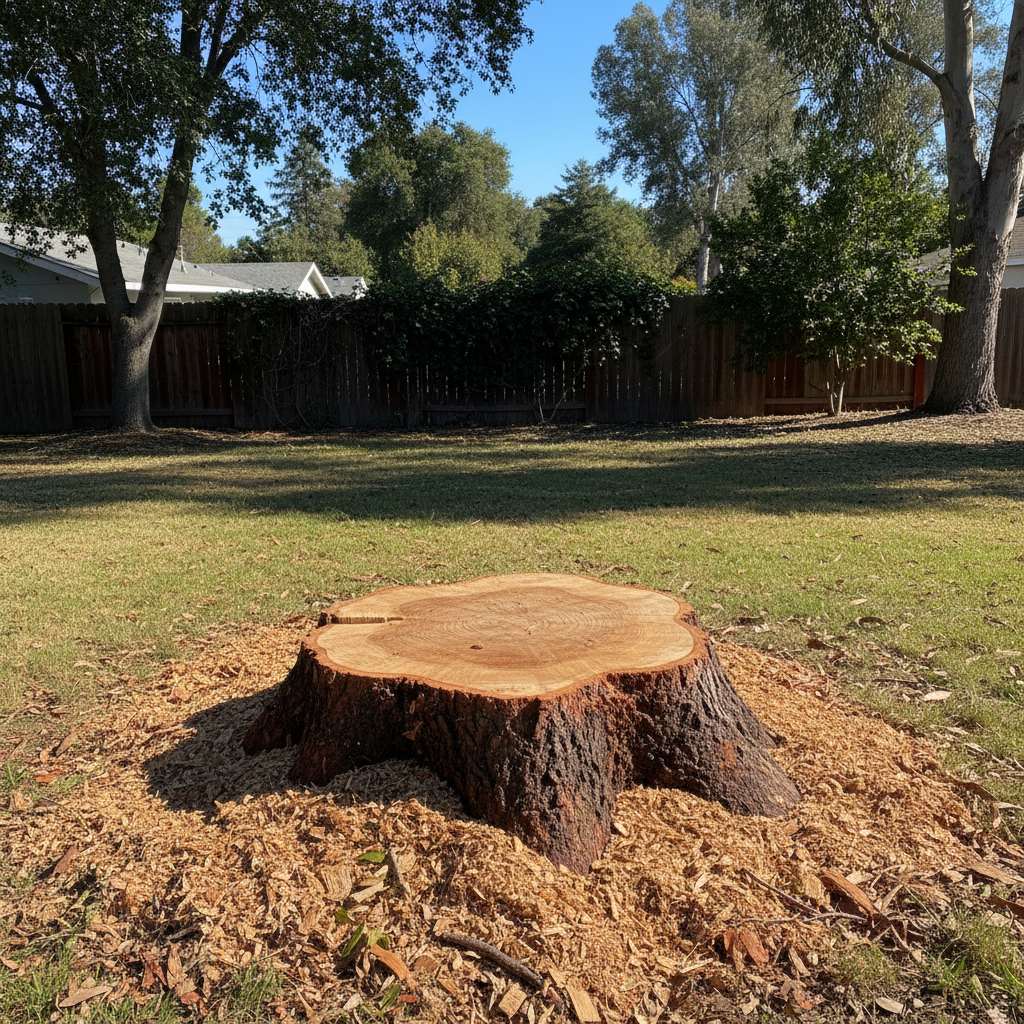
- Stump Removal: You'll likely have a stump left behind. Most emergency removals don't include stump grinding as part of the initial service. We can come back and grind that down for you, making sure your yard is ready for whatever you want to plant next.
- Prevent Future Issues: Take a walk around your property and look at your other trees. Are there any that look like they could be next? Consider getting a professional assessment to prevent another emergency down the road.
Emergencies are never fun, but knowing these steps can make a tough situation a lot more manageable. Stay safe out there, Milpitas.