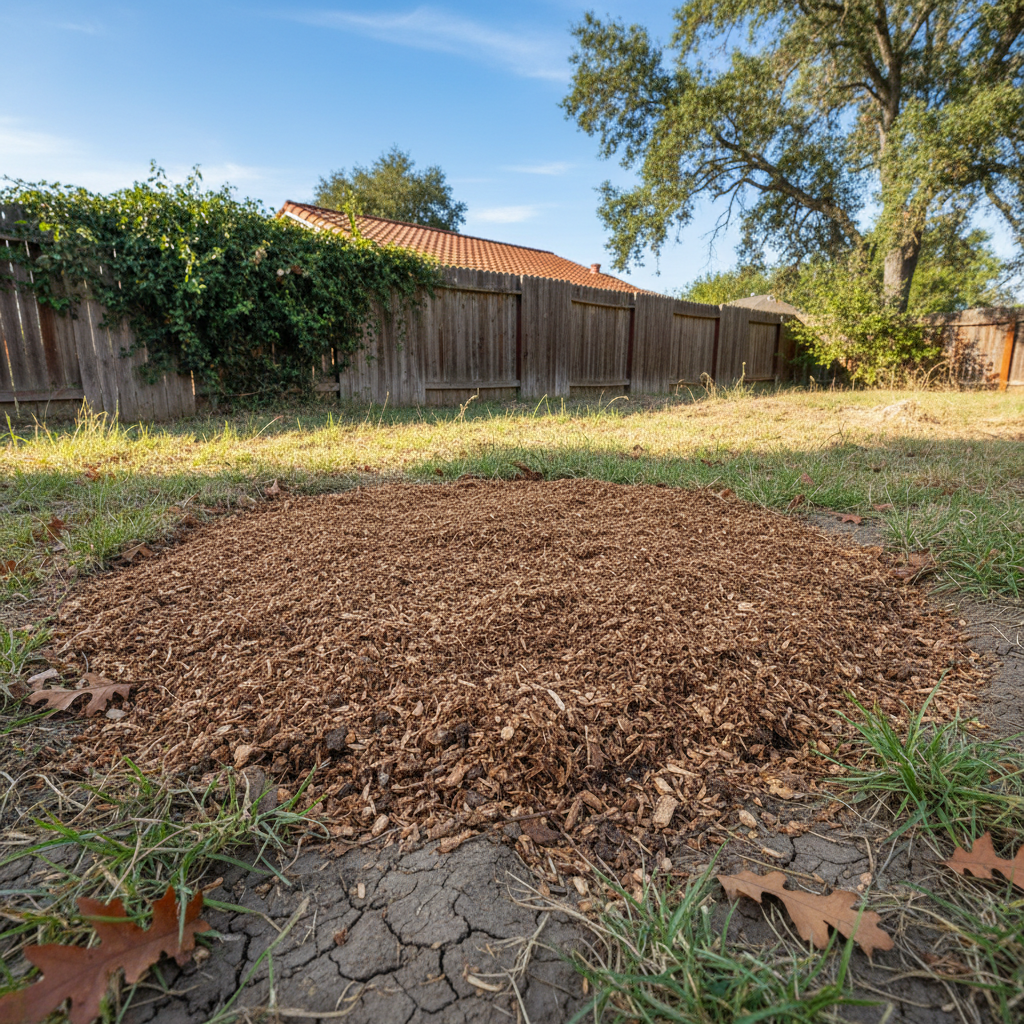
Alright, let's talk stumps. You've had a tree taken down, or maybe one fell during a storm, and now you're left with that stubborn thing sticking out of the ground. It's not just an eyesore; it can be a real pain. Over the years, working with folks all over Milpitas, from the older homes near Main Street to the newer developments up by the hills, I've heard pretty much every question under the sun about what to do with them. So, let's get into the nitty-gritty and answer your most common stump questions.
Do I really need to remove that stump? Can't I just leave it?
You can leave it, sure. But I wouldn't recommend it. That stump isn't just taking up space; it's a tripping hazard, especially if it's in a high-traffic area or where kids play. It's also a magnet for pests like termites, ants, and even some types of fungi that can spread to other healthy plants or even your house. Plus, it can make mowing your lawn a real chore, forcing you to navigate around it every time. If you're thinking about landscaping or putting in a new fence, that stump is going to be right in the way. It's usually better to deal with it sooner rather than later.
What's the difference between stump grinding and stump removal?
This is a big one, and people often use the terms interchangeably, but they're not the same. When we talk about stump grinding, we're using a specialized machine with a rotating cutting wheel to chip away at the stump, usually grinding it down 6 to 12 inches below the soil line. It turns the stump into wood chips, which you can use as mulch or we can haul away. The roots are left in the ground to decompose naturally. It's generally quicker, less invasive, and more affordable.
Stump removal, on the other hand, means we're pulling out the entire stump and as much of the root system as possible. This often involves heavy equipment like excavators, and it leaves a much bigger hole. It's a more involved process, takes longer, and costs more. We usually only recommend full removal if you're planning to build something right where the stump was, or if the tree was diseased and you want to ensure no trace of it remains. For most homeowners, grinding is the way to go.
How deep do you grind a stump?
Typically, we grind stumps down about 6 to 12 inches below the surrounding grade. For most situations, this is plenty deep enough to plant new grass, lay sod, or even put in a small garden bed. If you're planning on pouring concrete, building a deck, or planting another tree right on top of the old stump's spot, we might need to go a bit deeper, sometimes up to 18 inches. We'll discuss your plans for the area during the estimate so we can make sure we grind to the right depth for your needs.
What happens to the roots after grinding?
When we grind a stump, the main root ball and large surface roots are cut down with the stump. The remaining roots, which are still underground, will naturally decompose over time. This process can take several years, depending on the size of the roots and the type of tree. As they decompose, they add organic matter back into the soil. You won't usually have to worry about them causing issues unless they were extremely large and close to foundations or pipes, which is rare for roots left after grinding. For the most part, nature takes care of them.
How much does stump grinding cost?
Ah, the million-dollar question, right? The truth is, there's no one-size-fits-all answer. The cost depends on several factors:
- Stump size: The diameter of the stump is the biggest factor. A small 12-inch stump will cost less than a massive 40-inch redwood stump.
- Tree type: Some wood is harder than others. A palm stump is generally easier to grind than a dense oak or eucalyptus, which often have extensive, tough root systems common in our Milpitas clay soils.
- Location: Is the stump easily accessible by our equipment, or is it in a tight spot that requires specialized, smaller machines or more manual labor?
- Depth: Do you need it ground 6 inches down or 18 inches down?
- Cleanup: Do you want us to haul away the wood chips, or will you use them for mulch?
We always provide a free, no-obligation estimate so you know exactly what to expect. Just give Milpitas Tree Service a call, and we'll come take a look.
Can I just do it myself with a rental grinder?
You can, but I'd strongly advise against it unless you're experienced with heavy machinery. Stump grinders are powerful pieces of equipment. They're heavy, they vibrate a lot, and that cutting wheel can be dangerous if not handled properly. I've seen plenty of DIY attempts that end up with damaged property, injuries, or a half-ground stump that still needs professional help. Plus, you need to factor in the rental cost, transportation, fuel, and your time. For most folks, hiring a professional with the right equipment and insurance is safer, more efficient, and often more cost-effective in the long run.
What about chemical stump removers? Do they work?
Chemical stump removers are out there, and they usually contain potassium nitrate. The idea is that they accelerate the decomposition process, making the stump softer and easier to break apart or burn (though burning is usually not allowed in residential areas like Milpitas due to fire risks and air quality regulations). The catch? They take a long, long time – often several months to a year or more – and they don't always work completely, especially on larger, harder stumps. You still end up with a decaying mess you have to deal with. For quick, effective results, grinding is by far the superior option.
Hopefully, this clears up some of your questions about those pesky stumps. If you've got one bothering you, don't hesitate to reach out. We're here to help you get your yard back in shape.